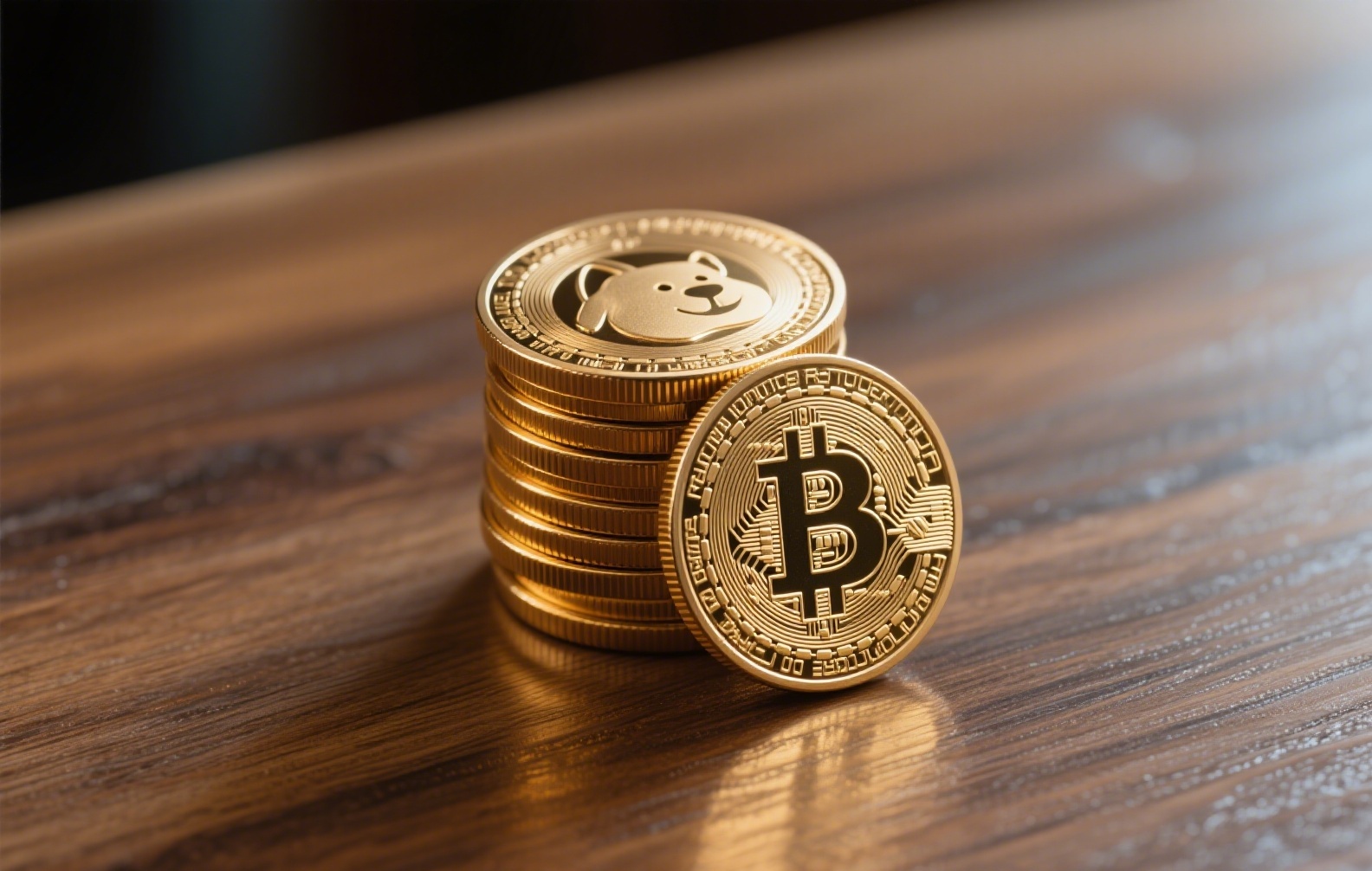
If you have recently stepped into the world of cryptocurrency, you have almost certainly heard the name "Binance." It is one of the largest and most widely used cryptocurrency exchanges in the world. But what exactly is Binance, and how does it work for a complete beginner? This article breaks down everything you need to know about the Binance exchange and the basic steps to operate it successfully.
First, it is important to understand what Binance is. Founded in 2017 by Changpeng Zhao, Binance quickly grew into a global platform where users can buy, sell, and trade hundreds of different digital assets, including Bitcoin, Ethereum, Litecoin, and many other altcoins. Beyond simple trading, Binance offers a variety of advanced financial services such as futures trading, staking, savings accounts, and even an NFT marketplace. Because of its large volume and competitive fee structure, Binance has become a go-to platform for both retail traders and institutional investors. However, it is important to note that regulatory restrictions vary by country, so users should always check if Binance is fully available in their region.
Now, let’s talk about how to operate Binance. The first step is to create an account. Visit the official Binance website or download the mobile app. You will be asked to provide an email address and create a strong password. After registration, you must go through a verification process known as KYC (Know Your Customer). This usually requires you to upload a photo of your government-issued ID and possibly a selfie. This step helps ensure the security of your account and compliance with financial regulations.
Once your account is verified, the next step is depositing funds. Binance allows you to deposit cryptocurrency from another wallet or buy crypto directly using fiat money (such as USD, EUR, or GBP) through a bank transfer, credit card, or third-party payment provider. If you are depositing crypto, go to the "Wallet" section and click "Deposit." You will receive a deposit address for the specific coin you wish to transfer. Always double-check the coin type and network to avoid losing funds.
With funds in your account, you can start trading. The simplest way for beginners is the "Buy/Sell" feature, which lets you purchase crypto at the current market price. For more experienced users, Binance offers a "Spot Trading" interface where you can place limit orders, market orders, and stop-limit orders. The interface may look complicated at first, but it typically shows a price chart on one side and an order book on the other. You can choose a trading pair, such as BTC/USDT, and then input the amount you want to buy or sell.
Security should always be a top priority when using Binance. It is strongly recommended that you enable two-factor authentication (2FA) via the Google Authenticator app or SMS. Also, avoid clicking on suspicious links and never share your private keys or login credentials with anyone. Binance also offers a "Withdrawal Whitelist" feature that restricts withdrawals to only pre-approved wallet addresses, adding an extra layer of protection.
Finally, one of the most common questions from new users is about fees. Binance is known for its low trading fees, typically starting at 0.1% per trade. If you hold BNB (Binance’s native token) in your account, you can pay trading fees at a discounted rate. Withdrawal fees vary depending on the cryptocurrency and the current network conditions, so always check the fee schedule on the platform before moving your funds.
In summary, Binance is a powerful and versatile cryptocurrency exchange suitable for users ranging from absolute beginners to professional traders. The key steps to operate it are simple: register, verify your identity, deposit funds, and begin trading carefully. By taking advantage of the platform’s security features and learning the basics of order types, you can navigate Binance with greater confidence. While the cryptocurrency market carries inherent risks, understanding how the exchange works is your first solid step toward safer and more informed trading.